What is the main achievement?
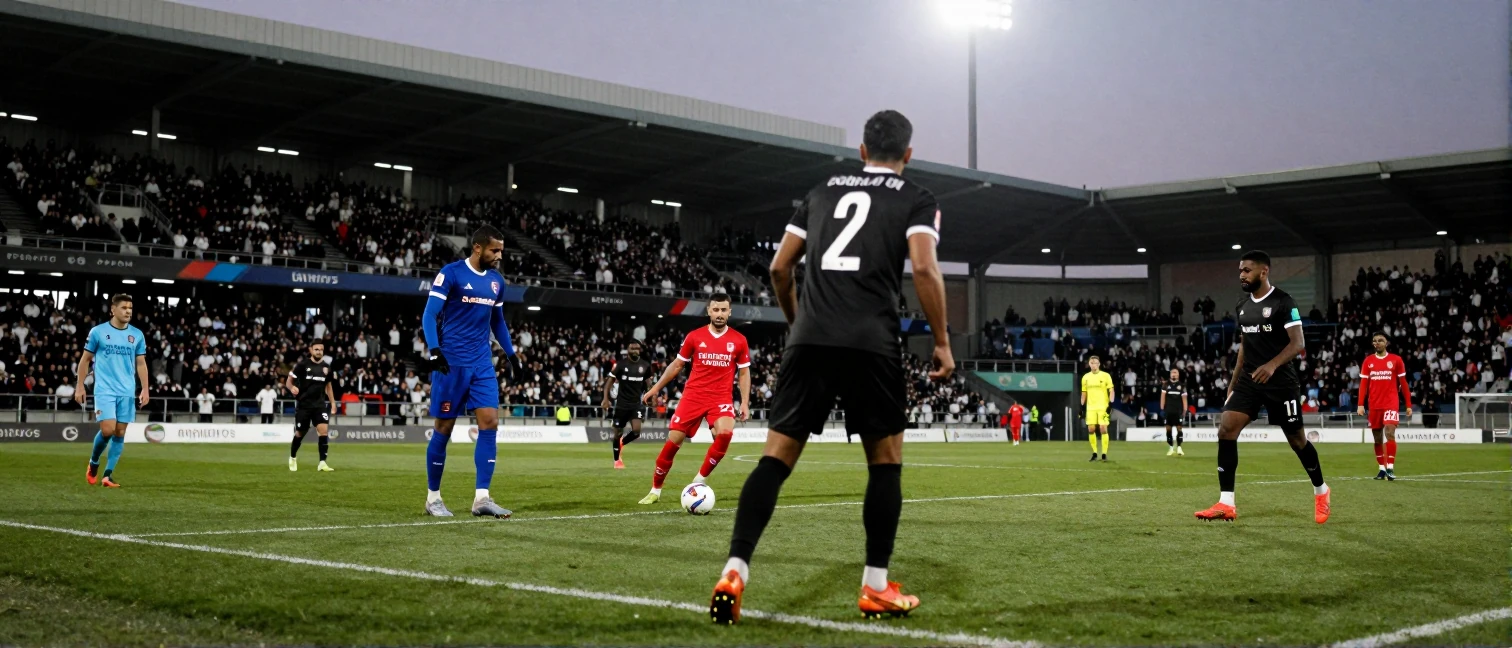
Jordan secured its first-ever qualification for the 2026 World Cup on June 28, becoming the nation's inaugural participant in the tournament. The milestone turned into a massive marketing opportunity. In the Jordan vs Argentina match (June 28, 2026) the atmosphere was electric, while the latest result recorded on December 18, 2025 was a 2-3 loss to Morocco.
Why is this marketing approach unique?
Prime Minister Ahmad Al‑Hasan chose to broadcast the game inside Amman’s Roman Amphitheatre, merging heritage with sport. Reuters images showed Jordanian fans watching on a giant screen amid ancient arches, creating a destination image now used in tourism campaigns. The blend of a live match and historic setting has never been replicated elsewhere.
How did government decisions affect the public?
The government delayed the start of public sector work on match days, allowing citizens to gather inside the amphitheatre. This shifted viewing from a personal pastime to a nationwide event, demonstrating state support for the team and national pride. The result was unprecedented fan engagement, captured globally by Reuters Connect.
What are the next steps for the team?
After qualifying, coach Salem Hamdan is focusing on maintaining momentum. The squad’s recent form stands at 4 wins and 1 loss (LWWWW) in the last five games, indicating readiness for the group stage. Fans anticipate the team’s progress, while the tourism ministry aims to leverage the generated image to boost visitor numbers.
What economic impact is expected?
Tourism‑marketing studies say a single powerful image can outweigh thousands of slogans. The amphitheatre scene portrays Jordan as safe and attractive, likely raising hotel bookings during the World Cup window. Stakeholders are now working to turn the moment into licensable, globally‑distributed content.